- Blog
- Car Dealer Strategy for 2026: Essential Tips for EU Traders
Car dealer strategy for 2026: Essential tips for EU traders
If you’re working on your car dealer strategy for 2026, these tips help you plan inventory, find LCV deals, trade across the EU, and stay compliant with local and EU regulations.
Some buyers need LCVs, some want to expand their fleets, and some are only interested in EVs.
With demand across different segments, 2026 can be a strong year for dealers who stay organised and adapt quickly.
So, how can you succeed as a car dealer in 2026? Most of your daily decisions will depend on your local market, but there are also a few universal priorities that apply across the EU.
In this guide, we’ll cover a clear car dealer strategy for 2026. You’ll see the key areas to focus on, from optimizing your inventory to complying with the EU regulations.
Belangrijkste punten
- EV supply is growing, but petrol and diesel still make up the majority of used-car sales, so you should analyze your local demand first before deciding on a fuel type to stock.
- LCVs are an important segment for dealers because they can bring in repeat buyers and steadier sales.
- Importing cars from other countries works best when you understand VAT, import costs, and local taxes before you buy.
What should dealers expect from the 2026 automotive market?
2025 was mostly a stable and positive year for used-car trading in Europe.
We’ve predicted a similar trend in our 2026 forecast, meaning that there likely won’t be any drastic drops in car prices this year, too.
What we do expect is an increase in the supply of EVs, mainly from expired lease contracts. This can create good buying opportunities for dealers.
Still, don’t forget that most of Europe’s used cars are diesel and petrol, so it makes sense to keep a strong selection of ICE vehicles.
Policy changes across EU regulations
When importing cars to different EU and non-EU countries, you’ll notice that many countries allow registration only for vehicles that meet a minimum Euro standard.
Also, countries like Germany, France, and others restrict access to certain city areas based on the Euro standard.
So, you can see how the Euro standard can impact the type of car that people buy.
Well, when you’re looking at what to expect from 2026, don’t forget that at the end of 2026, the new Euro 7 will start applying to new cars and vans.
While this won’t directly impact your inventory overnight, it’s still something you should be informed about to help your buyers with any potential questions.
So, are you ready to start working on your 2026 strategy? Let’s start.
Strategic priority #1 - EV adoption rate and inventory mix
According to ACEA’s recent data, electrified cars (like BEVs, HEVs, and PHEVs) are leading new car registrations in the EU.
Petrol is still a very popular choice, but EVs have become more common in recent years.
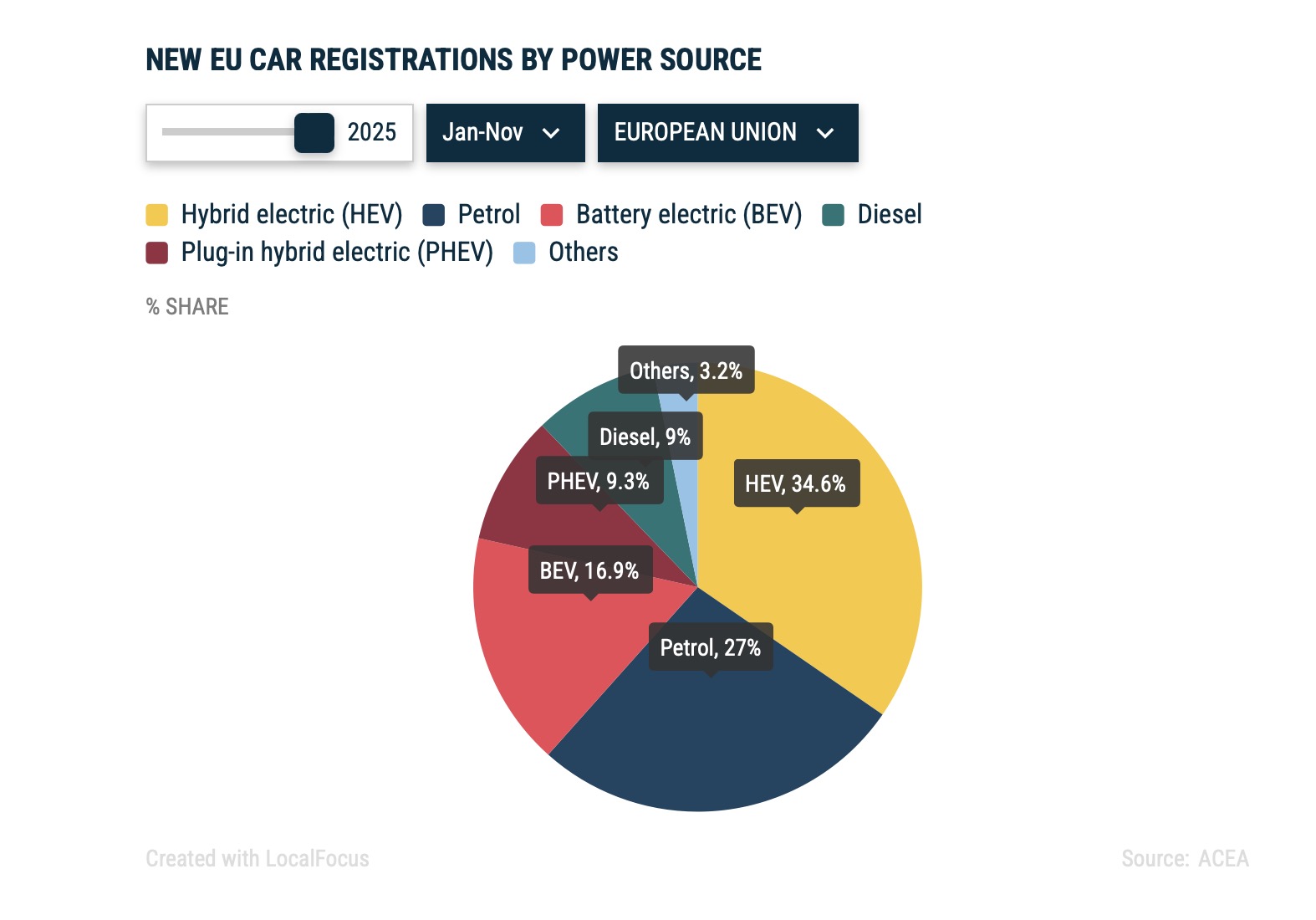
Source: ACEA
The used car market relies more on petrol and diesel, but even so, it’s good to include EVs and hybrids in your stock if there is demand in your area.
To source the right inventory in 2026, you should look at your local market closely, and track your sales as well.
Before you decide to focus mainly on EVs or mainly on ICE, review which vehicles bring you the best profit.
Then, build your stock around the fuel types that perform best for you, and add the other fuel types only where you see clear demand.
Strategic priority #2 - Used LCV and fleet trading opportunities
Many businesses need reliable light commercial vehicles for daily work.
Also, electric LCVs are becoming more popular in areas where companies want to make deliveries in low-emission zones.
For you, this means that LCV is not a segment you should ignore in favor of used passenger cars.
By including LCVs in your offer, you can reach new audiences of small businesses, contractors, and fleet buyers.
Also, business buyers often make multiple purchases when you can offer reliable vans and clear vehicle history, so LCVs can be your way to steady income.
On eCarsTrade, you can source LCVs by filtering for vans.
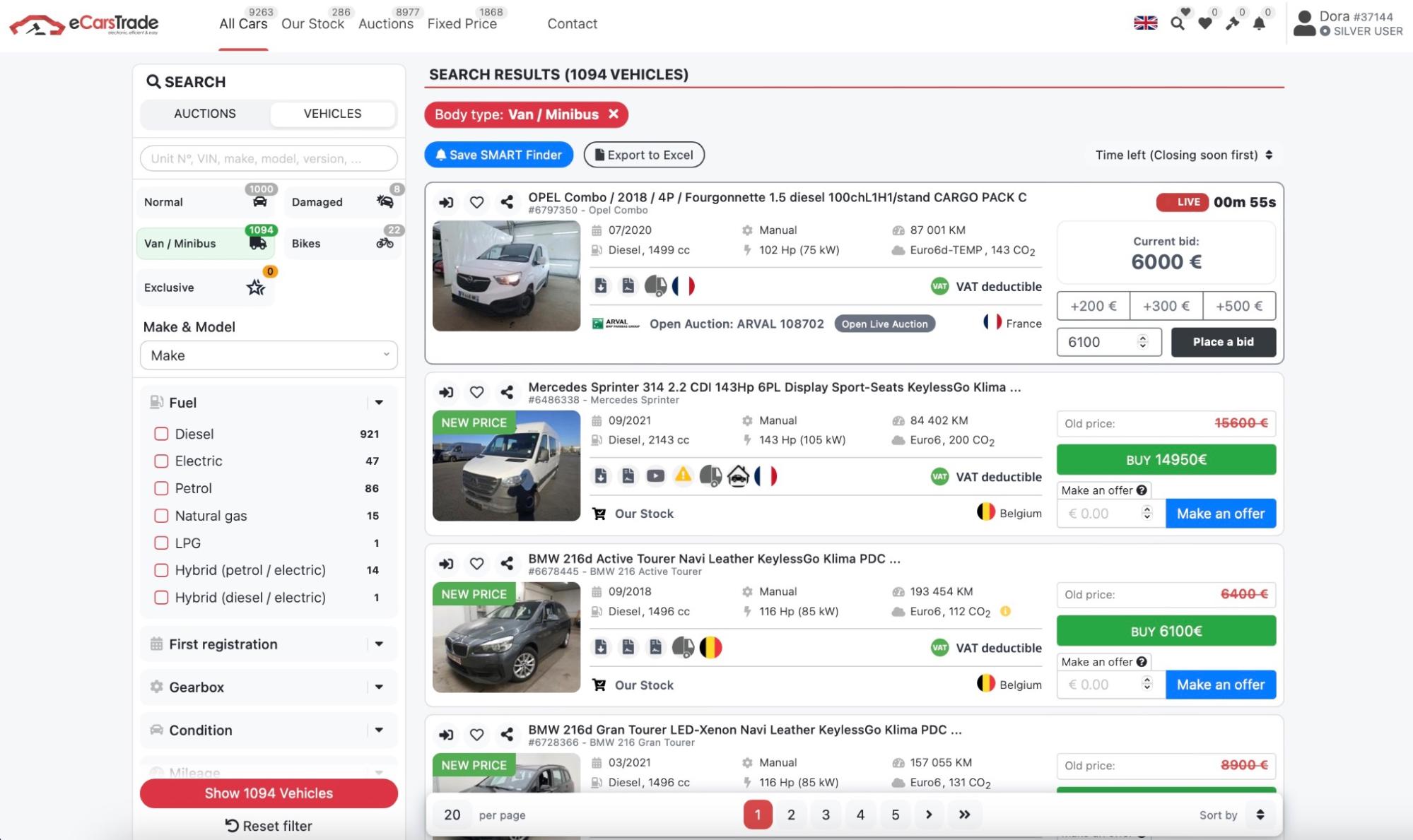
Then, you can filter the vehicles by fuel type and mileage to match your buyers’ needs.
Many business buyers want diesel vans for longer routes, while some city buyers prefer e-LCVs that can enter low-emission zones for deliveries.
As always, track what sells best in your dealership and adjust your LCV mix accordingly.
Strategic priority #3 - Taking advantage of cross-border trading within the EU
Why would you limit your used car purchases only to your country when intra-EU trading can be so easy?
If you decide to trade used cars within the EU, make sure you know all the accurate information about what you’ll have to pay:
Don’t forget to check your local rules and taxes as well.
In some countries, EVs and plug-in hybrids can have lower registration taxes or other incentives, which can make them easier to price and sell when the local demand is there.
Strategic priority #4 - Customer experience and providing great service
Selling vehicles to other businesses (B2B) can be completely different from selling to individual buyers.
For instance, you could be selling multiple vehicles in bulk to fleet operators, so buyers will expect a faster process, clear documentation, and predictable delivery.
What does this mean for you?
It means that you should focus on customer service as much as you focus on providing quality vehicles.
From the moment you sell a car until after-sales questions are resolved, you should keep all parts of the process clear.
Strategic priority #5 - EU regulatory compliance
Lastly, your dealership should always be compliant with both local and EU rules.
This mostly refers to environmental and emissions regulations.
And if you sell EVs, start preparing for the EU battery passport requirements.
The passports, which will be scannable with QR codes, will become mandatory in February 2027.
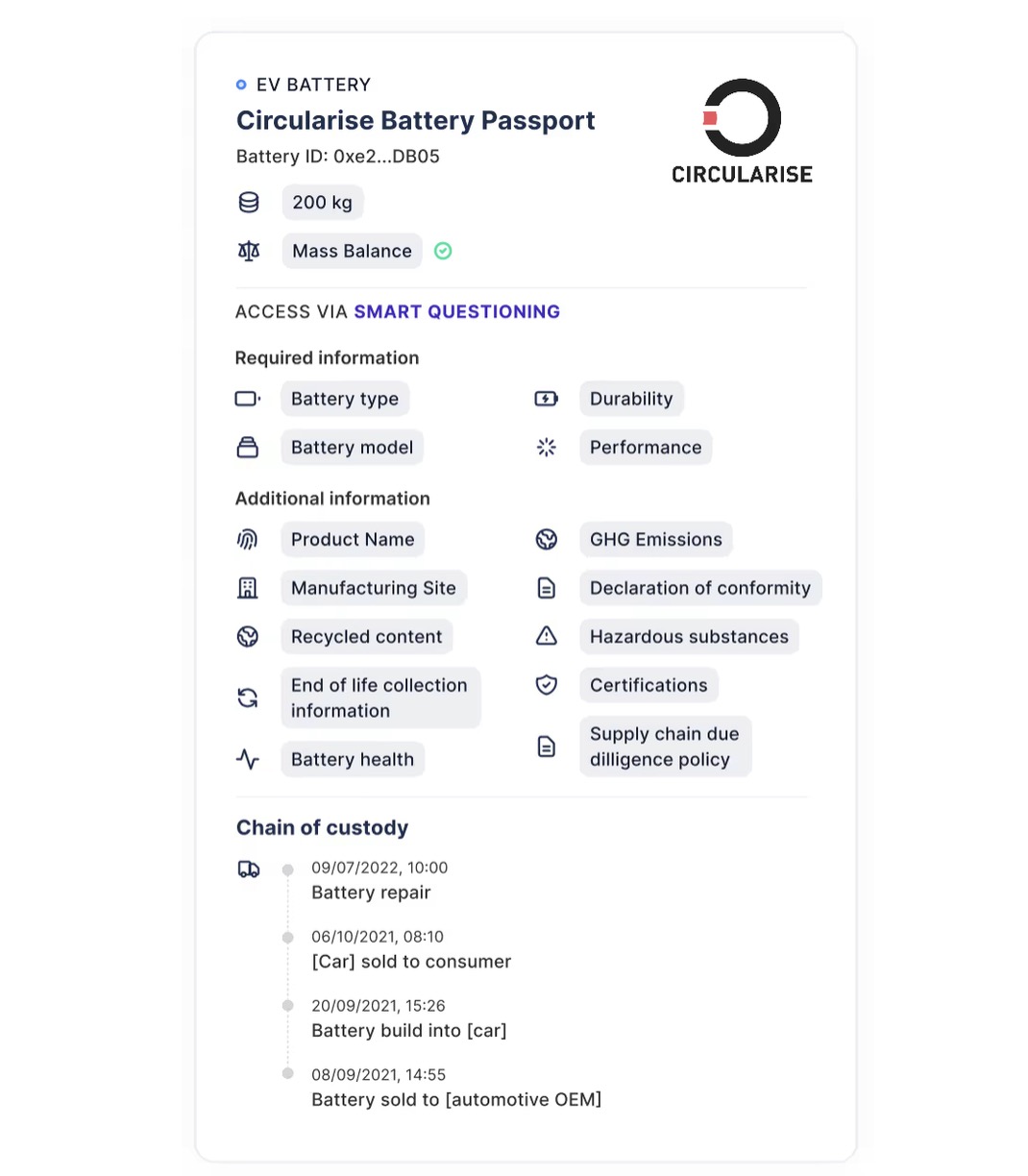
An example of a battery passport by Circularise
You can start preparing even before 2027, by keeping battery-related documents and warranty status easy to share, and by making battery condition information clear in your listings.
2026 Market opportunities by European region
As we always like to say, your local market decides what you’ll be able to sell. You can use the overview of regions below as a quick guide to see what usually sells best in your part of Europe.
► Western Europe - premium cars and EV focus
- EV and hybrid demand is strong in markets where EV registrations are already high and still growing, especially Germany, France, the Netherlands, and Belgium. There’s also a market for premium models.
► Eastern Europe - value segments and higher mileage cars
- ICE cars usually perform best here. In many Eastern European markets, petrol and diesel still make up most of the car fleet, so used buyers often focus on affordable, practical ICE vehicles.
► Southern Europe - compact and commercial vehicles
- Compact cars and practical petrol and diesel cars often sell the quickest in the Southern regions.
- Spain is one of the strongest used-car markets in Europe, as Autovista24 reported that it was the best-performing of the big five markets in 2025.
► Northern Europe - EVs and PHEVs
- EVs are already a common choice in parts of Northern Europe. Denmark is a good example. In November 2025, around three out of four new cars registered there were electric. As a result, there is generally a larger supply of EVs in the used market as well.
Join eCarsTrade - Exclusive deals for professional dealers
Regardless of how you adjust your strategic goals for 2026, there’s one constant item: every used-car dealership needs a reliable supplier of quality vehicles.
Whether you’re looking for LCVs, EVs, or reliable ICE cars, eCarsTrade can help you source vehicles from across Europe through online auctions.
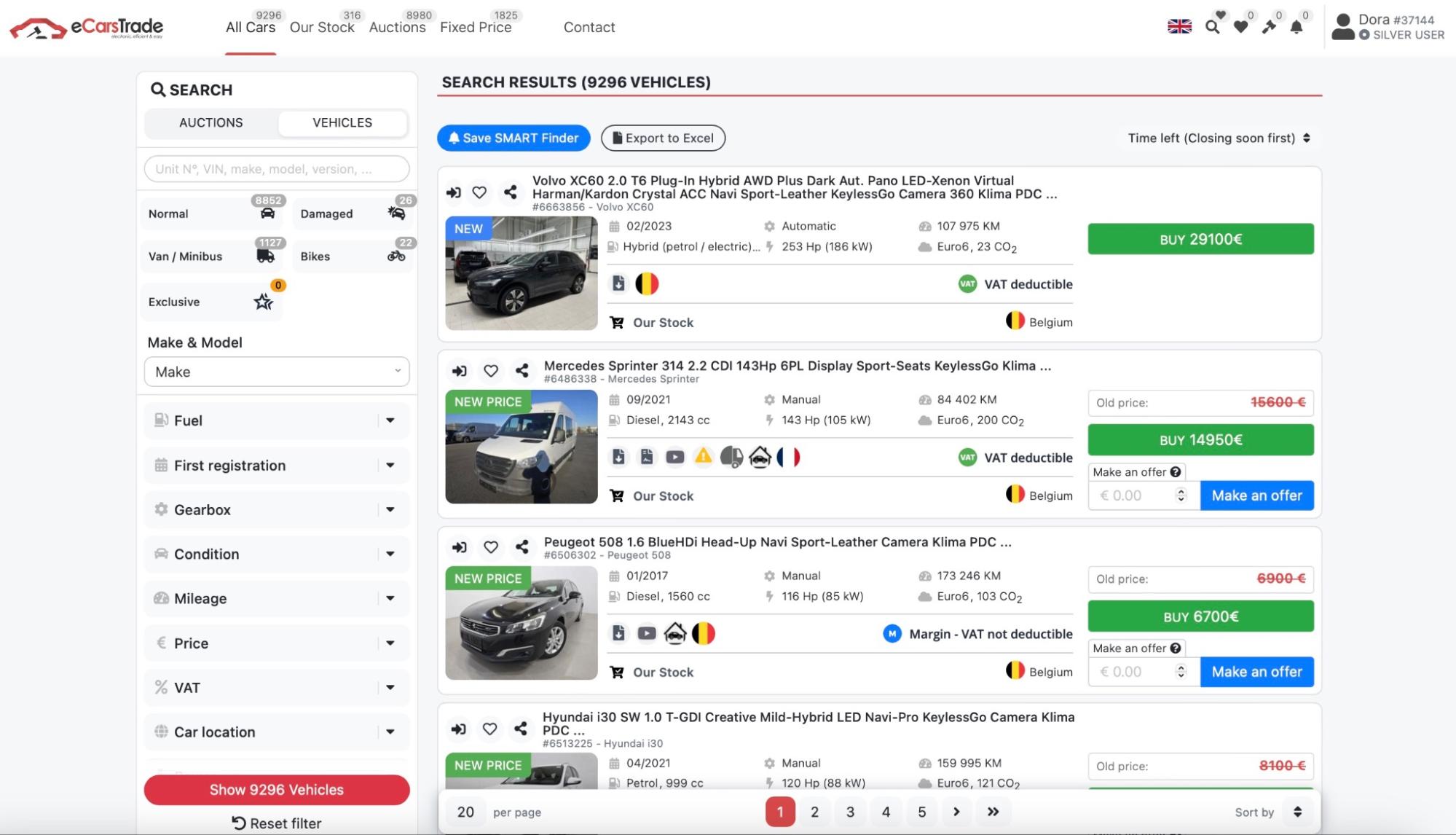
You can browse a selection of vehicles, filter them to specifications relevant to your business, and buy with a clear overview of the total cost before you bid.
The eCarsTrade platform is designed specifically for professional dealers, so you can source vehicles faster and focus on stock that matches your business goals.
Used car dealer success checklist for 2026
As you can see, there are many different areas of running a dealership. To help you prepare for 2026, we’ve compiled a checklist you can use to learn about each topic in more detail.
- Inventory management
- Staff training
- Staying up to date with emission regulations
- Seasonality in car sales
- Using automation software
These areas stay important year after year, so it’s worth reviewing them regularly and making small improvements over time.